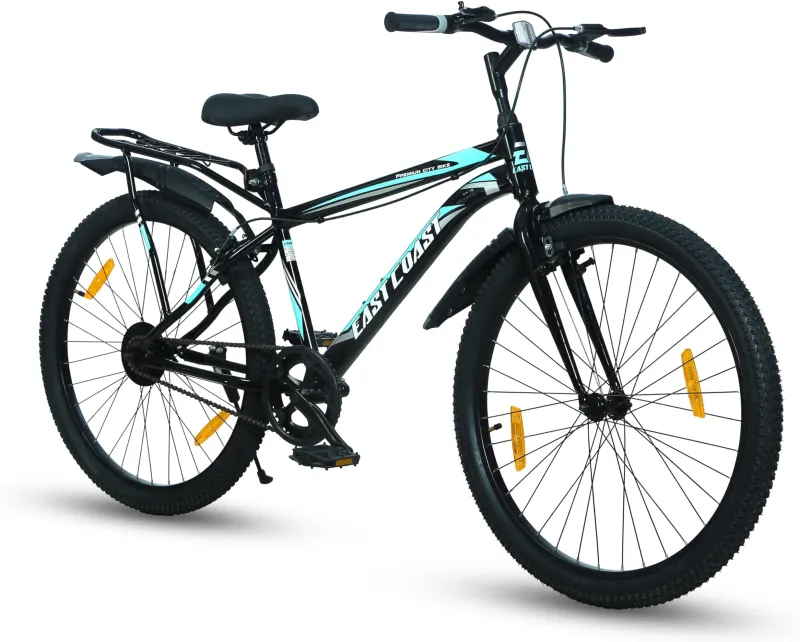
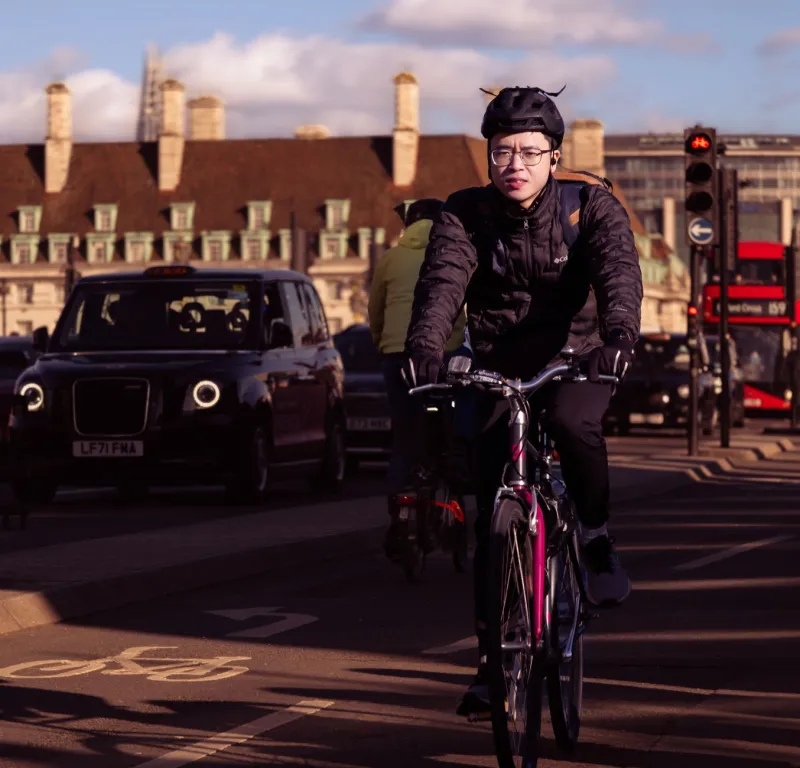
The 07:42 Test: What Happens When a Gyro Bike Meets a Packed UK Train
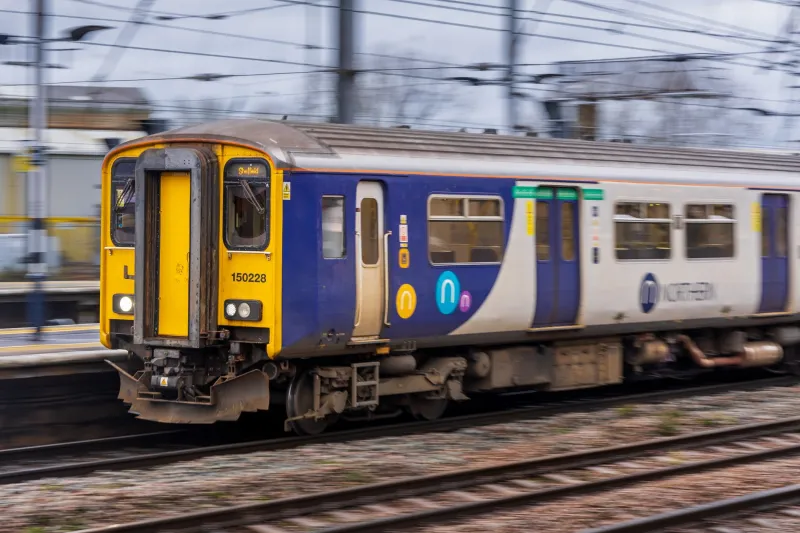
The pitch for a gyro-stabilised bike usually sounds beautifully simple: ride to the station, glide through the gates, hop on a train, and pick up the ride again at the other end. In practice, UK rail adds a few plot twists. Platforms have stairs. Carriages have finite space. Commuters have opinions. And your bike’s stabilisation system, clever as it is, does not come with a reservation for the 07:42.
This is not a case against train-and-gyro commuting. It is a case for doing the maths before you do the sprint for Platform 2.
First, the reservation question
On most National Rail services, a standard non-folding bike needs a reservation. That is not a gyro-specific issue, but it becomes a gyro-specific headache because these bikes are not featherweight city runarounds. A stabilised bike can be heavier than a conventional commuter, and the last thing you want is to discover at the barrier that the cycle spaces are already spoken for.
Book the bike space when you book your ticket, not the night before. Some operators still ask you to reserve by phone or at a ticket office; others let you do it online. Policies vary by train operating company, by route and sometimes by rolling stock. A route that happily takes two bikes on a quiet mid-morning service may have a very different attitude during peak hours.
Also check the operator’s rules on batteries and e-assist. A gyro bike may use a battery for stabilisation, assist or both. Some operators want batteries removed or isolated during travel; others simply ask that the bike is secure and not charging. Do not assume the guard will know your model. Carry the manufacturer’s battery guidance if it helps, and keep the bike switched off on the train unless someone in authority tells you otherwise.
Stairs, lifts and the platform shuffle
A stabilised bike feels reassuringly planted when you are riding it. On a staircase, it is just a heavy object with awkward corners. If your local station is all stairs and no lift, practise the carry before you commit to a daily commute. A folded bike it is not.
Lifts help, but they are not always where you need them. Some stations have a step-free route to one platform and a staircase to the other. Some lifts are small enough that a bike and two commuters is already a crowd. If you are travelling at peak time, give yourself an extra ten minutes for the platform shuffle. That is not wasted time; it is the difference between a calm boarding and a sweaty apology to a stranger in a suit.
A useful test is to do the full journey once at the weekend, without the pressure of getting to work. Ride to the station, take the bike through the exact route you would use on a weekday, and see how the lift, the barrier and the platform feel. You will learn more from one dry run than from ten forum threads.
Carriage space is not created equal
Cycle spaces on UK trains are a bit like luggage racks: they exist, but they were not designed with every possible bike in mind. A gyro-stabilised bike may be longer, wider or heavier than the standard commuter machine the space was drawn for. Some carriages have hooks; some have straps; some have a designated open area that looks generous until four people with suitcases discover it at the same time.
If the train is packed, do not force the bike into a space where it blocks the aisle. That is how cyclists get a reputation. Ask the guard where they would prefer the bike, and be prepared to stand with it if needed. On busy services, a bike that is switched off, stable and tucked out of the way is far less controversial than one that is still humming or flashing.
One practical tip: a lightweight cover or strap can stop pedals and bars from snagging on coats and bags. It also signals that you are trying to be a considerate passenger, which goes a long way when the carriage is standing-room only.
What the stabilisation system does—and does not—do on a train
A gyro system is designed to help balance a bike at low speed or when stationary. It is not designed to stop your bike from rolling into the vestibule when the train brakes. Switch it off, secure the bike, and use the train’s own restraints where they exist. If your bike has a stand, deploy it only if the space allows; a stand on a moving train is not a substitute for a strap.
Battery care matters too. A cold platform and a warm carriage can create condensation, and a battery that has been lugged up and down stairs all week deserves a check. Keep terminals dry, avoid leaving the bike in direct sunlight through carriage windows, and follow the manufacturer’s charging guidance. If the battery is removable and the operator requires it, take it with you rather than leaving it on the bike.
The honest verdict
Train-and-gyro commuting works best when the train is a planned part of the journey, not a rescue mission. It suits riders who can book ahead, travel outside the worst of the peak, or use stations with decent step-free access. It is less suited to a daily dash where the bike space is first-come, first-served and the platform stairs are a personal challenge.
None of that makes the idea silly. It just makes it a bit more British: you check the operator’s rules, you allow for the lift being out, and you accept that the 07:42 is not a spa. Do that, and the flywheel can earn its place on the platform. Fail to do it, and you will spend a lot of time apologising to people with briefcases.
The smart move is to treat the train as part of the route, not an afterthought. Book the space, learn the stairs, secure the bike, and keep the stabilisation system switched off until you are back on two wheels. That is not a compromise. It is just multimodal commuting with fewer surprises.