Year Two, Real Bills: Auditing What a Gyro Bike Actually Costs to Keep in the UK
Photo: Richard Webb , CC BY-SA 2.0, via Wikimedia Commons
Year one with a gyro bike is a bit like moving into a new flat: everything works, the warranty is warm, and you haven’t yet found the cupboard with the damp patch. Year two is when the gloss wears off. Bearings start talking, the flywheel service interval arrives, the battery no longer feels quite as bouncy, and the first out-of-warranty labour bill lands with a thud. If you’re using a stabilised bike for UK commuting, the second year is the one to budget for properly.
The warranty halo fades
New gyro bikes come with a useful cushion. Frame and motor warranties, flywheel cover, battery capacity guarantees, and the general goodwill of a shop that wants you to stay loyal. That cushion does not last forever. Consumables are rarely covered anyway, and labour cover often expires long before the bike feels old. By the time you’re into the second year, you’re paying for the bits that actually wear out — and on a heavier, more complicated machine, there are more of them.
This is not a reason to avoid gyro bikes. It is a reason to treat the purchase price as the entry fee, not the whole story. A £3,500 bike that costs £700 a year to keep on the road is a different proposition from one that costs £250. Neither figure is automatically wrong, but you should know which one you’re signing up for.
What actually wears out first
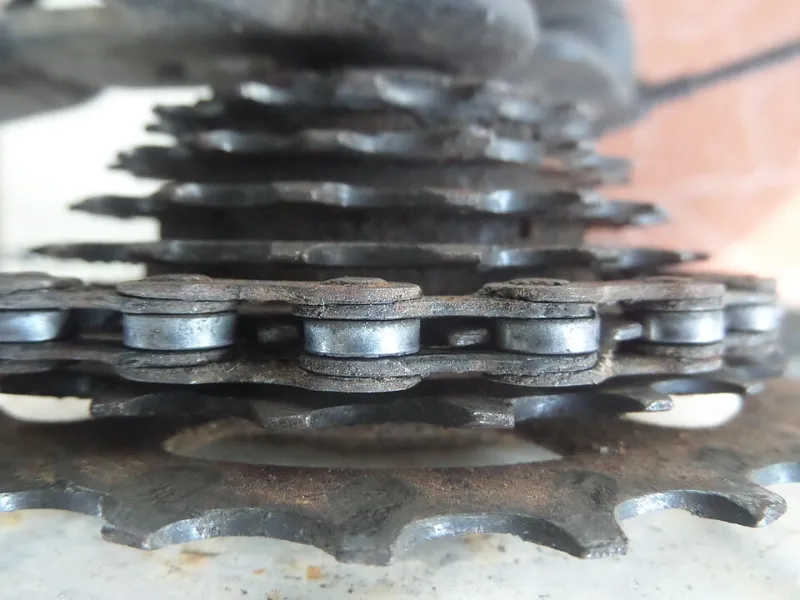
The obvious consumables are tyres, brake pads, chains and cables. The less obvious point is that extra mass changes the rate at which they disappear. A gyro bike is not a car, but it is heavier than a standard commuter, and that weight has to be stopped, steered and supported. Tyres on a stabilised bike often lead a harder life, especially on gritty UK lanes and patchwork tarmac. Brake pads can go through the same treatment. If you ride in winter, salt and wet grit will find the bearings long before the flywheel gives you any dramatic warning.
Then there’s the flywheel system itself. It may not need much day-to-day attention, but it is not a sealed-forever black box. Bearings, mounts, sensors and the labour to inspect them all have a cost. Battery degradation is the other slow burn. A battery that has lost a chunk of its range may still be perfectly usable for a short commute, but it changes how you ride and when you decide to replace it. That decision can be deferred, but it rarely disappears.
A planning budget for year two
The figures below are not a quote. They are a planning range for a mid-range gyro-assisted bike used for regular UK commuting, based on typical shop labour and the kind of work that tends to surface after the first year. Your mileage, weather, storage and local shop rates will move the numbers.
| Item | Rough year-two range | What to watch |
|---|---|---|
| Routine service | £70–£140 | One annual service, plus a mid-year check if you commute daily |
| Flywheel and bearing inspection | £80–£220 | More likely after a wet, salty winter |
| Tyres, brake pads, chain | £80–£180 | Extra weight and grit accelerate wear |
| Battery degradation | £0–£450 | Budget only when range becomes a real problem |
| Insurance | £100–£250 | Depends on security, cover and postcode |
| Out-of-warranty labour contingency | £100–£300 | The bill you hope not to need |
Add those up and a realistic second-year pot is somewhere between £430 and £1,540, before any major failure. That is a wide range because gyro bikes are not a single category. A low-mileage commuter with secure parking and a good local shop will sit near the bottom. A high-mileage bike left outdoors in a wet British winter can easily find the top end.
The car-replacement maths
This is where the audit gets interesting. If the gyro bike has replaced short car journeys — the school run, the commute to the station, the trip to the shops — then the comparison is not bike versus nothing. It is bike versus fuel, parking, insurance, depreciation, servicing and the occasional bus fare. A second-year bike bill of £600 can look steep until you set it against a year of urban car ownership.
But the sums only work if the car journeys have actually gone. A stabilised bike that sits in the hall while the car still does the school run is a hobby, not a transport swap. That is fine, but be honest about it. The financial case for a gyro bike is strongest when it takes over regular short trips in weather you are actually willing to ride in. It is weakest when it duplicates a car you were never going to sell or sideline.
Resale is not a rescue plan
It is tempting to soften the budget by telling yourself the bike will hold its value. Gyro bikes are niche, and niche means a smaller pool of buyers. Service history, battery health, warranty transferability and whether the model is still supported all matter. A well-kept bike with receipts and a recent service will do better than a muddy one with a mystery rattle. But you should not plan on getting most of your money back. A sensible assumption for many owners is that resale softens the blow rather than erases it.
The honest audit
So what does year two really cost? For most UK riders, it is not a single dramatic bill. It is a cluster of smaller ones: the service, the bearings, the tyres, the insurance renewal, the labour charge that used to be covered. Add them up and you get a number that deserves to be in the household budget, not buried in the cycling kit fund.
The right question is not whether a gyro bike is expensive. It is whether the journeys it replaces are expensive enough to make the whole thing worthwhile. If it gets you out of the car for the trips that used to sting — parking, congestion, short school runs, unreliable buses — the maths can still work. If it is a fair-weather toy that duplicates a car, the second year is where that truth starts showing up on the bank statement.