Flywheels, Batteries and Bolt Croppers: A 2026 Security Playbook for Gyro Bikes
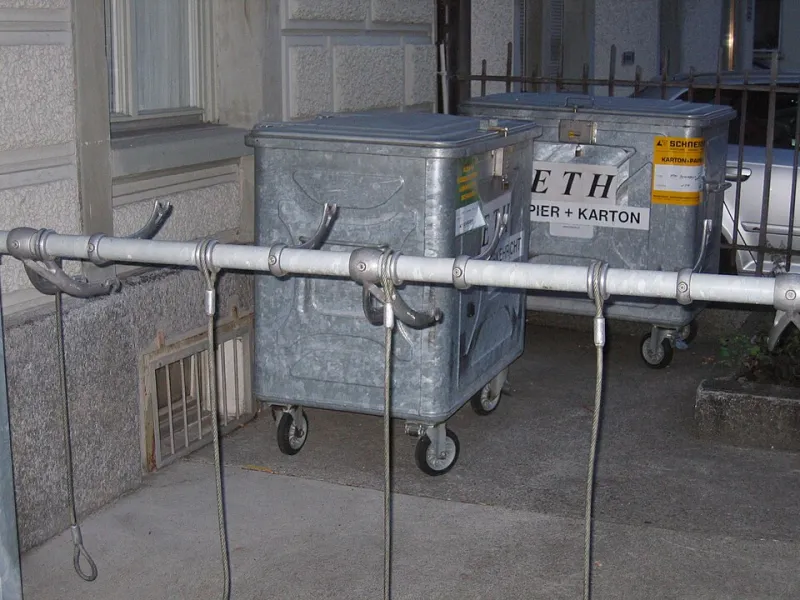
Photo: Grenavitar, Public domain, via Wikimedia Commons
A gyro bike is a lovely thing to ride and, unfortunately, a slightly awkward thing to leave unattended. Most UK bike thieves are opportunists with a van, a bolt cropper and a keen eye for resale value. Gyro bikes add a few extra wrinkles: a flywheel assembly, a battery pack, a control unit, maybe a display. Some of those parts are small enough to disappear into a rucksack while you’re buying milk.
This isn’t a scare story. It’s a practical look at what actually gets targeted, how to lock a stabilised bike sensibly, what insurers tend to expect in 2026, and whether trackers and specialist locks are worth the money.
What actually walks
The whole bike is always the first prize. But with gyro bikes, component theft deserves a mention. Battery packs are valuable, semi-portable and often quick-release. Displays and control units are small, expensive to replace and easy to pocket. Flywheel assemblies are heavier and more specialist, so they’re less attractive to a casual thief — but a determined one who knows the market may still fancy a go.
The practical upshot: treat removable bits as removable. If your battery or display pops off in seconds, take it with you. It’s a faff, but a faff is cheaper than a replacement control unit and a three-week wait for stock.
Two locks, two jobs
A single lock through the frame is better than nothing, but it’s not a security strategy. Aim for two locks with different jobs: a Sold Secure Gold-rated D-lock through the frame, rear wheel and the Sheffield stand; and a decent chain or second D-lock through the front wheel and frame. That makes the bike awkward to move and awkward to strip.
One gyro-specific note: lock to the main frame, not to the flywheel housing, stabiliser arms or any bracket that looks like it’s holding the clever stuff on. You don’t want to put bending loads through a component that was designed for spin, not leverage. If the frame shape makes a standard D-lock awkward, try before you buy — long-shackle D-locks, folding locks and quality chains all have different footprints.
Lock to something immovable, in a busy, well-lit spot, ideally within sight of a café window or a reception desk. Thieves dislike audiences and decent lighting.
The shed problem
A surprising number of bikes are nicked from home. A shed door with a five-quid hasp and a rusty screw is an invitation. If your gyro bike lives outside the house, fit a ground anchor and use a proper chain, reinforce the door, and consider a shed alarm. Don’t leave the battery on the bike in a damp shed anyway — follow the manufacturer’s storage and charging advice, and keep it somewhere dry and safe.
If you have a garage, use it, but lock the bike inside it too. Garage doors get left open, and “out of sight” is not the same as “secure”.
What insurers actually ask for
Policy wording varies, but most UK cycle insurers will want some combination of: a specified lock used at the time of theft, an approved lock or anchor at home, proof of purchase, and the bike’s serial number. Some ask for a tracker on higher-value bikes. Some cap cover for accessories, which matters if your battery and control unit are listed separately from the frame.
So do the boring admin. Photograph the bike, note every serial number — frame, battery, motor or flywheel unit, display — and keep receipts. Register it with BikeRegister or Immobilise. Tell your insurer about any non-standard parts. If the worst happens, report it to the police and get a crime reference number; most claims won’t move without one.
Are trackers worth it?
A hidden Apple AirTag or similar Find My-compatible tag is cheap, discreet and better than nothing. A proper GPS tracker with a subscription is more capable but costs £5–£10 a month and needs charging or wiring. On a £700 bike, that outlay is hard to justify. On a £3,000 cargo-ish gyro build, it starts to make sense.
A few cautions. Don’t drill into housings or break seals to hide a tracker — you’ll create a water ingress problem and possibly void a warranty. Never confront someone you’ve tracked; hand the location to the police. And remember a tracker is a recovery tool, not a lock. It doesn’t stop the bike leaving in the first place.
The realistic routine
At home: anchor, cover, alarm, battery indoors. At work: secure compound if you have one, two locks if you don’t, and take the removable bits with you. At the café: lock it where you can see it, or don’t leave it long. Overnight on a street: just don’t, if you can possibly avoid it.
Bottom line
Spend in proportion to the bike and to your insurance requirements. For most riders, a good Gold-rated D-lock, a second quality lock, a ground anchor at home and free bike registration will do more good than an expensive gadget. The gyro bike’s clever parts are exactly what makes it worth protecting — so protect them like the pricey little things they are.