Gusts Don’t Read the Manual: Gyro Stabilisation and UK Crosswinds
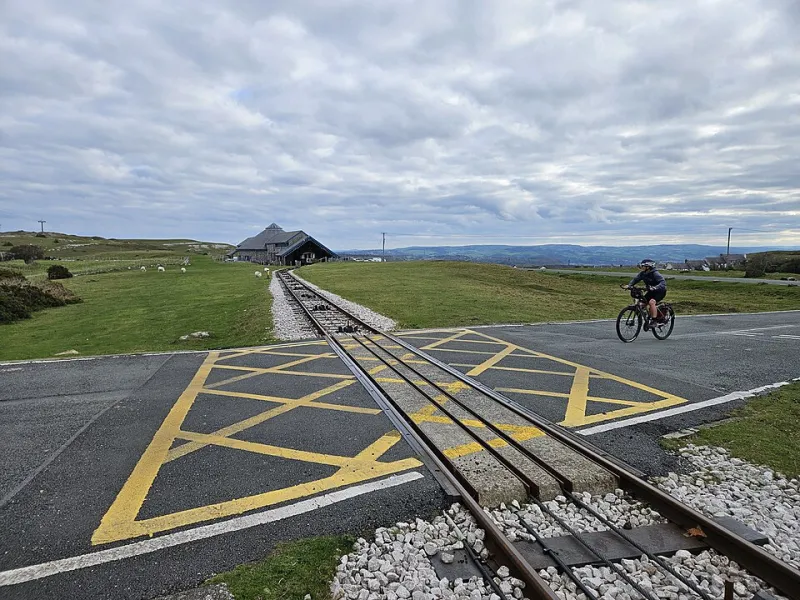
Photo: Thomas Roberts , CC BY-SA 2.0, via Wikimedia Commons
Winter in the UK has a way of turning a familiar commute into a handling test. The wind is stronger, the hedges are thinner, and the puddles are colder. A gyro-stabilised bike can give you more confidence in those conditions, but it is worth being clear about what the technology is doing.
Gyroscopic stabilisation is a lean assistant. It can resist unwanted roll and help the bike feel planted at low speed. It is not a wind shield. It cannot stop a gust from pushing you across a lane, and it cannot make a wet cattle grid grip like dry tarmac. Understanding that difference is the whole game.
What the gyro is actually doing
A gyroscopic system uses a spinning mass or a control moment gyroscope to apply corrective torque. In plain terms, it helps the bike stay upright when balance is marginal: setting off, stopping, crawling through traffic, or carrying an uneven load. For some riders, that is a genuine safety gain. For parents with a child seat or cargo, it can take the edge off low-speed wobble.
But the wind is not interested in lean. A crosswind applies lateral pressure to the rider and bike, and it can tug at the front wheel through steering torque. The gyro may help you hold a line by keeping the bike from falling into a lean, but it does not cancel the force pushing you sideways. That force is still there, and you still have to manage it.
Why exposed UK routes feel different
Estuary bridges, coastal promenades, and open moorland roads are classic crosswind venues. The wind arrives with nothing to slow it down, then funnels between bridge towers, sea walls, and gaps in hedges. You can ride a sheltered lane for miles and then meet a gust that feels like a shove in the shoulder.
Winter makes it worse. Frontal systems bring stronger gusts, wet leaves reduce grip, and low sun can hide potholes and debris. A bike with stabilisation may feel more forgiving, but the environment has not become more forgiving. If anything, the margin for error is smaller.
Where stabilisation helps, and where it does not
It helps with low-speed balance, fatigue, and confidence. It can make a cargo bike feel less tippy at a junction. It can give a less experienced rider a second chance when a start goes wrong.
It does not help with sudden lateral gusts, slippery surfaces, or the aerodynamic drag of a loose jacket. It does not make you more visible. It does not override the need to read the road. And it does not turn an exposed bridge into a sheltered cycle path.
Riding tactics for gusty days
Start with the forecast. Look at gust speeds, not just average wind. The Met Office warnings are there for a reason. If an amber warning is out, consider a different route, a different time, or a different mode of transport.
On the bike, stay relaxed. A death grip on the bars transmits every gust into the steering. Bend your elbows, keep your weight central, and look ahead. Give parked cars and lorries extra room. A passing HGV can create a sudden suction and push, so leave a wide gap and avoid sitting in the door zone.
Anticipate the gaps. Bridge towers, laybys, junctions, and breaks in hedges are where the wind changes. Expect a gust before you feel it. Reduce speed smoothly rather than braking hard on wet leaves. Use a lower gear to keep pedalling steady.
Clothing matters more than riders think. A loose jacket acts like a sail. Close vents, use a fitted layer, and keep your backpack low and close to your back. In a group, leave more space and consider single file on narrow exposed sections.
If a gust hits, avoid big steering corrections. Keep a steady line, allow the bike to lean slightly, and look where you want to go. If you feel overwhelmed, stop in a safe place and walk the exposed section. There is no prize for riding a bridge in a gale.
The 'safer bike' trap
Stabilisation is a useful tool, but it is not a substitute for roadcraft. The biggest gains come from tyre pressure, brake checks, lights, and a route that suits the conditions. A gyro can buy you a little margin. It cannot buy you immunity.
So enjoy the extra confidence, but keep respecting the wind. On a blustery UK morning, the best safety system is still the one between your ears.