Used Gyro Bikes: A Five-Point Reality Check for UK Buyers
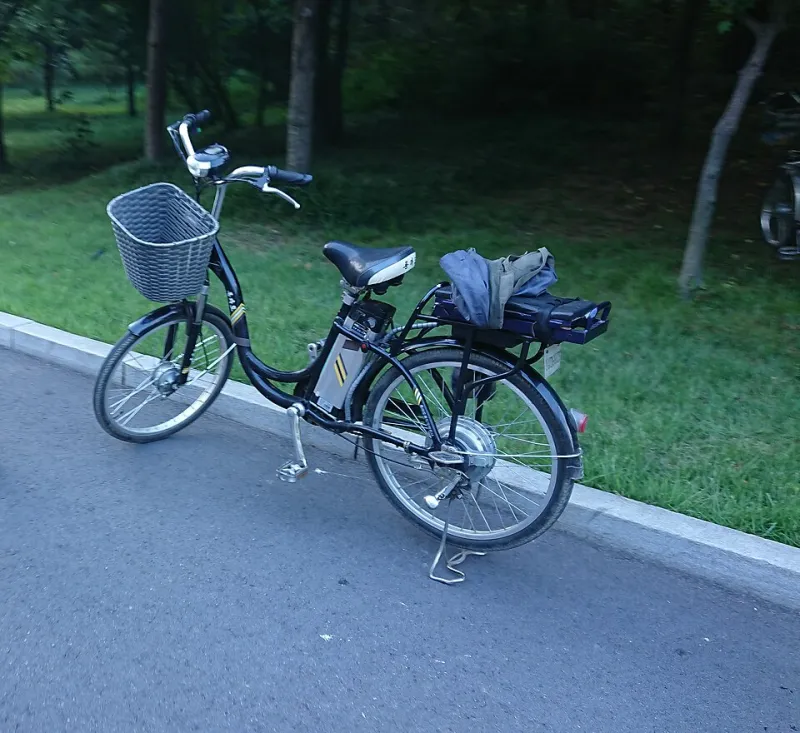
Photo: Jan Engelhardt, CC BY-SA 4.0, via Wikimedia Commons
The used bike market has always rewarded patience. In 2026, that includes gyro-stabilised models, as early lease bikes, demo fleet machines and upgrade-driven sales start to appear on UK classified sites. For families looking at a cargo or kids’ gyro bike, the savings can be real. So can the risks. A stabilised bike is a bicycle with extra electronics, bearings and firmware, and not every seller will know its history.
None of this means you should avoid the used market. It means you should shop like someone who knows what questions to ask. Here are five checks to run before you part with your money.
1. Battery health and charging behaviour
Battery condition is the biggest hidden cost on any electric-assisted gyro bike. Ask the seller to charge it from a low state to full before you arrive, and note how long it takes. A pack that charges suspiciously quickly may be nearly spent. Ask how the bike has been stored — a cold shed is not ideal — and whether the charger is the original manufacturer’s unit. If the bike has an app, check reported range, charge cycles and any error logs.
On inspection, look for swollen casing, damaged terminals or a loose battery mount. If the battery is removable, check that it clicks in securely and that the contacts are clean. Ask what a replacement pack costs and whether it is still available. If the seller says ‘it just needs a new battery’, treat that as a price negotiation, not a reassurance.
2. Firmware, app support and service history
Gyro bikes rely on software as well as hardware. Ask for the model year, serial number and whether the bike has been registered with the manufacturer. Check whether the companion app still supports the model and whether firmware updates are available. A bike that has been abandoned by its software platform is a much riskier buy.
Service history matters too. Gyro flywheels, bearings and motor mounts need proper attention. Ask for invoices from a dealer or specialist, not just a verbal ‘it’s been looked after’. If the seller has done their own servicing, ask what they adjusted and why. A dealer diagnostic check is worth paying for before you commit, especially on a higher-value cargo bike.
3. Crash damage and mounting points
Look closely at the frame, fork and the area around the gyro unit. Paint cracks, creases, mismatched bolts and rubbing cables can all hint at a hard knock. Check that the flywheel housing is secure and that the bike sits straight when stood upright. Spin the wheels and look for wobbles. If you can safely lift or rotate the gyro assembly by hand, listen for grinding or clicking. Do not dismantle anything yourself.
Ask directly whether the bike has been crashed, dropped or repaired. Check the frame number against BikeRegister and ask for proof of ownership. A bargain is not a bargain if it has a cracked mount or a history you cannot trace.
4. Warranty transfer and paperwork
Manufacturer warranties are not always transferable to a second owner. Read the terms before you buy, and ask for the original receipt, warranty card and any registration details. If there is remaining cover, find out exactly what it includes and whether it follows the bike or the buyer. Check for outstanding recalls or safety notices using the frame number and model name.
Private sales in the UK offer limited consumer protection, so paperwork is your friend. A dealer sale may cost more, but it should come with clearer rights and a proper invoice. Either way, get a written receipt showing the date, price, frame number and seller details.
5. The right kind of test ride
A spin around a car park tells you almost nothing. You need to test the bike the way you will use it. Start with slow-speed figure-eights and stop-start riding. Then try a gentle hill, a camber and, if conditions allow, a breezy open stretch. Test the stabilisation at walking pace, not just at speed. Listen for unusual whines, clicks or rattles from the gyro unit. Check the brakes, gears and assist cut-off.
If you are buying for family use, bring the child seat or trailer and test with weight on board. Ask the seller not to reset the bike before you arrive. If they refuse a proper test ride, walk away. There will be another bike.
Keep the used market honest
A good used gyro bike can be a sensible, money-saving route into smarter cycling. Go in with a checklist, budget for a service and do not let enthusiasm override your instincts. The UK’s second-hand market works best when buyers ask awkward questions and sellers expect them. That keeps prices realistic and makes good bikes easier to find.