Balance Shouldn’t Be a Gatekeeper: The Adaptive Case for Gyro Bikes in the UK
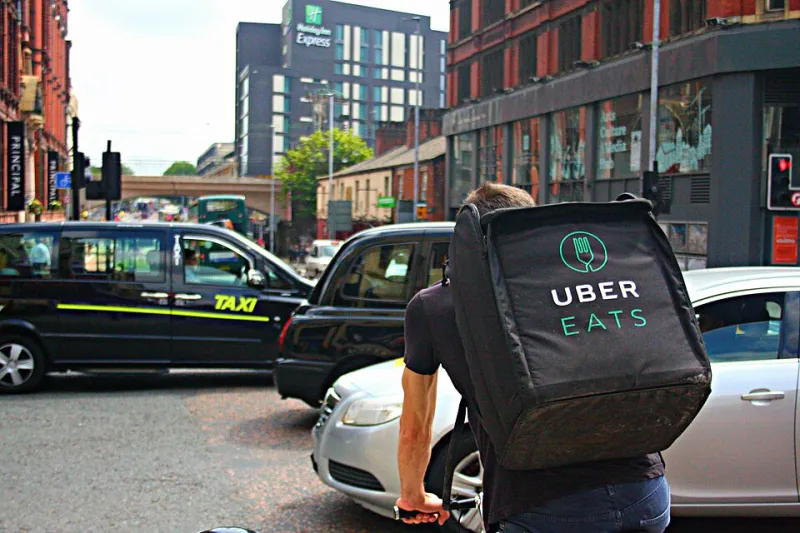
Photo: shopblocks, CC BY 2.0, via Wikimedia Commons
Ask most cyclists what a gyro-stabilised bike is for and you’ll get one of two answers: nervous beginners, or tech fans with deep pockets. Ask an adaptive rider and the answer can be far more practical. For someone managing fatigue, a balance condition or a mobility impairment, a little help with low-speed stability isn’t a shortcut. It’s a way back into the everyday pleasure of riding.
That distinction matters in the UK, where adaptive cycling sessions are growing but still patchy. There are brilliant local hubs, charity-led sessions and inclusive clubs, but access varies wildly from one council area to the next. In that landscape, a bike that steadies itself at walking pace can be more than a nice-to-have. It can be the thing that makes a group ride feel possible rather than intimidating.
The cheating question is the wrong question
Most of the ‘is it cheating?’ debate comes from sport. In racing, rules define what counts. In everyday cycling, there is no referee. Nobody is handing out points for climbing the hill to the shops without assistance. If a device helps someone ride safely, get fitter, save money or simply leave the house with more confidence, the performance question is beside the point.
Gyro stabilisation does not pedal for you, steer for you or make traffic disappear. It adds corrective force when a bike starts to lean, particularly at low speed. That can reduce the wobble and panic that make stop-start riding feel risky. It is not a substitute for road sense, braking skill or good infrastructure. But it can lower one specific barrier — balance — that often gets treated as a fixed entry requirement.
For adaptive cycling, that is a meaningful shift. Balance is not a moral quality. It is a function of the body, the bike and the environment. A rider with multiple sclerosis, Parkinson’s, cerebral palsy, vestibular issues, arthritis or a limb difference may have good days and bad days. A heavy cargo bike, a steep camber or a wet cycle path can make those days harder. Stabilisation can offer a margin of error without pretending the rider needs fixing.
What stabilisation can — and can’t — do
It is important not to oversell the technology. A gyro bike can help with low-speed balance, stop-start confidence and fatigue management. It may make crosswinds feel less twitchy. It can make a trial session less daunting for someone who has not ridden for years. What it cannot do is replace an assessment of vision, hearing, reaction time, road awareness or medical fitness to ride. It is not a medical device, and it does not make a poor-quality cycle route safe.
That is why adaptive cycling groups tend to talk about matching the bike to the rider, not prescribing one wonder machine. A recumbent trike, a handcycle, a tandem or a standard step-through bike may be the better answer for some people. A gyro-stabilised bike is another option in the toolkit — not the only one.
Trying before buying in the UK
This is where UK riders need practical routes, not marketing claims. Start with organisations such as Wheels for Wellbeing, British Cycling’s Limitless programme and local inclusive cycling hubs. Many run adaptive sessions where you can try different machines in a traffic-free setting. Ask whether they have gyro-stabilised bikes or can point you toward a dealer demo day. Independent bike shops that specialise in adaptive or cargo bikes are also worth a call, even if they are a train ride away.
When you do get a trial, test the things that matter in real life: stopping and starting, turning at walking pace, riding on a camber, going up a gentle hill and — if it is safe — riding in a crosswind. Ask about the weight of the bike, charging routine, storage space and what servicing involves. If you rely on public transport, check whether the bike can be carried or whether a rack is needed. These practical details decide whether a bike gets used or becomes an expensive coat rack.
Access is more than a price tag
Cost is the obvious barrier. Gyro-stabilised bikes are not cheap, and the second-hand market is still young. Ask about manufacturer and dealer demo schemes, local charitable grants and employer Cycle to Work arrangements where eligible. Check insurance and warranty terms before committing. If you need adaptations — a different saddle, step-through frame, cargo box or child seat — factor those into the budget too.
Just as important is ongoing support. A bike with a flywheel, battery and firmware needs a dealer who understands it. Before buying, ask who will service it locally, how long software updates are promised and what a replacement battery costs. Inclusion is not just about the first ride. It is about keeping the bike roadworthy for years.
Reframing the argument
The ‘cheating’ framing assumes cycling is a test that must be passed unaided. For adaptive riders, it is often a transport option, a social lifeline and a form of gentle exercise. Gyro stabilisation does not lower the value of that ride. It widens the door.
If the UK wants more people cycling, it needs more than painted lanes and good intentions. It needs honest trials, trained dealers and adaptive groups with access to different machines. A gyro bike will not suit everyone. But for some riders, it may be the difference between watching from the pavement and rolling out with everyone else. That is not cheating. That is inclusion doing its job.