Could One Gyro Bike Really Cover Your Commute, Your Sunday Loop and the School Run?
There is a particular kind of UK rider who owns four bikes and rides two of them. There is another who owns one and quietly gets on with it. The gyro bike market has spent the last few years nudging everyone towards the second camp, and the pitch is genuinely seductive: a single machine that steadies itself in traffic, copes with a loaded rack and still feels manageable on a damp towpath on a Sunday morning.
So let us take the claim seriously. Can one gyro-stabilised bike actually stand in for a commuter, a weekend hack and a family runabout — or is the do-everything bike still a compromise dressed up in marketing language?
What a gyro bike is genuinely good at
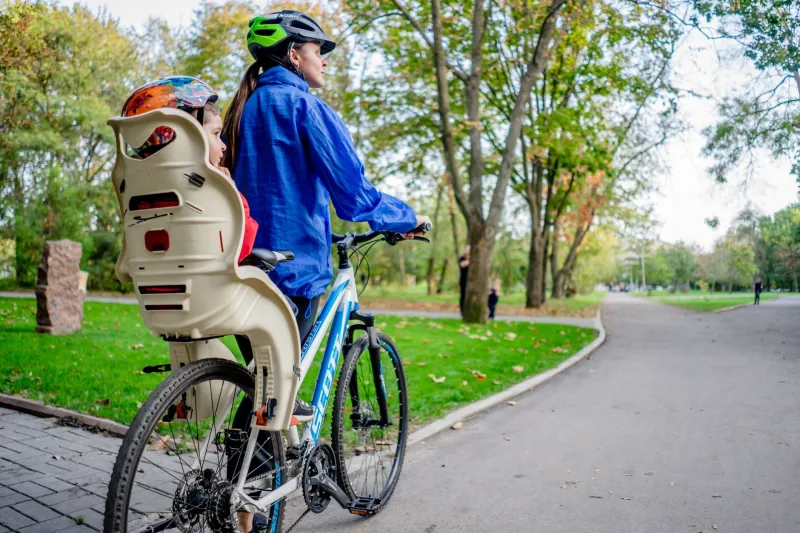
Start with the honest strengths. Stabilisation helps most at low speed, under load and in gusty conditions — the three things that make urban riding in the UK feel sketchy. Filtering at walking pace, pulling away from a school gate with a child seat behind you, wrestling a laden bike through a headwind on an exposed estuary path: these are exactly the moments where assistance earns its keep.
That is a broad set of use cases, and it is why the single-bike argument has legs in the first place.
The durability question
Commuting is the hardest job you can give a bike in this country. It means gritted roads, winter filth, potholes, repeated locking against railings and a lot of short, stop-start journeys that never let anything dry out.
A gyro bike can take that, but the maintenance schedule is less forgiving than a rigid hybrid's. There are more seals, more electronics and more to go wrong. If your commute is 6km each way on treated roads, budget for more frequent attention than you would give a basic hack.
Downtime is the hidden cost
This is where the one-bike plan usually falls apart, and it has nothing to do with capability. If your only bike goes into the workshop for a stabilisation fault, you are not riding that week. With a two-bike household, a second machine covers the gap.
The counter-argument is fair: most gyro units are reliable, and a dealer with parts on the shelf can turn things around quickly. But if you rely on the bike for the school run and the commute, a spare set of wheels — even a cheap second-hand hack — is insurance, not indulgence.
The family-ride test
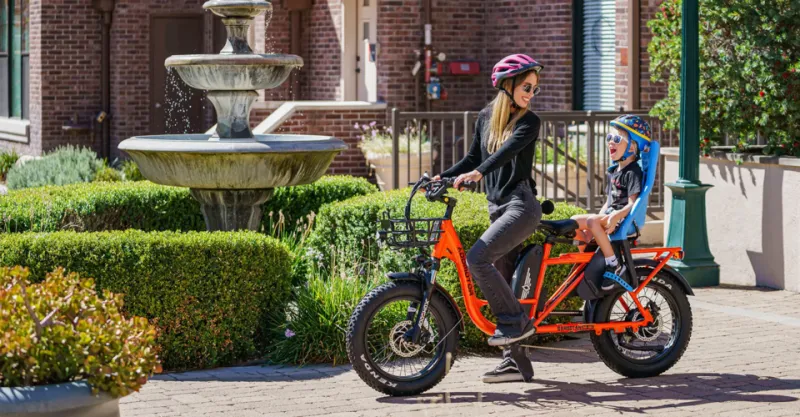
Here the case gets stronger. A stabilised bike with a step-through frame, a decent rack and room for a child seat or panniers does a lot of jobs that would otherwise need two machines. School runs, trips to the shop, a slow potter along a traffic-free path with a nervous rider in the family — stabilisation flattens the confidence curve, particularly for less experienced riders and for anyone returning to cycling after a long break.
What it will not do is replace a proper cargo bike if you are shifting two children and a week of shopping. Be honest about the load, not the ambition.
The towpath test
A leisure bike typically wants wider tyres, a more upright position and clearance for mudguards. A commuter wants efficiency and puncture protection. These overlap more than the bike industry likes to admit.
A gyro bike set up with 38–45mm tyres, decent mudguards and a relaxed front end handles canal towpaths, disused railway lines and gravel-ish farm tracks perfectly well — as long as you remember the extra weight of the unit, and the fact that stabilisation assists balance, not grip. Wet roots and loose gravel remain your problem.
The emotional bit
Riders underestimate how much they enjoy owning a bike that feels special. A single machine that you have set up precisely, that you know the noises of, and that you have maintained yourself is more satisfying than three bikes you rarely service. There is also a practical upside: one bike gets cleaned, checked and ridden regularly. Four bikes get neglected evenly.
Verdicts by rider type
The urban commuter with no storage. One gyro bike is a genuinely sensible answer, provided you have a dealer within reach and a plan for downtime.
The parent doing school runs and weekend paths. Strong case, especially with a second, cheaper bike in reserve. The flexibility is real.
The leisure rider who does 30km on a Sunday. You probably do not need stabilisation and you will feel the extra weight. Buy the lighter, simpler thing.
The mixed household with different confidence levels. This is the sweet spot. One stabilised bike that a less confident rider actually wants to use is worth more than two bikes gathering dust.
The rider who commutes 200km a week year-round. Keep a second bike. Nothing about a single-bike setup survives that mileage gracefully.
The bottom line
One gyro bike can cover most of a typical UK rider's year, and it does so with more genuine range than the sceptics allow. What it cannot do is cover a workshop visit. Buy the do-everything bike if you like — just do not sell the old one until you have lived with it through a February.